


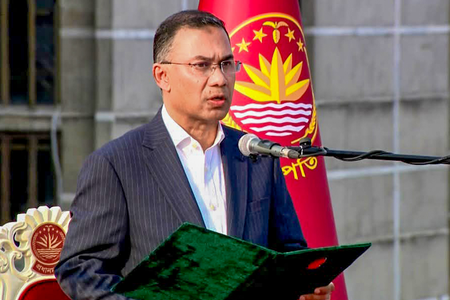
Several rights organizations have penned a letter to Bangladesh’s Prime Minister Tarique Rahman, urging him to take concrete actions to protect human rights and uphold press freedom in the country. The Committee to Protect Journalists and eight other human rights groups jointly called on the Bangladeshi government to affirm its dedication to press freedom, release detained journalists, and review cases against journalists under cybercrime laws like the Digital Security Act and Cyber Security Act. The signatories highlighted concerns about certain ordinances from the previous Muhammad Yunus-led interim government that could threaten freedom of expression if permanently enacted.
The letter emphasized that journalists, artists, musicians, and writers in Bangladesh are facing attacks and threats from violent groups aiming to silence them through legal actions or violence. The government was urged not only to protect freedom of expression through the law but also ensure the safety of all individuals in Bangladesh. The signatories also demanded an end to arbitrary surveillance, censorship, and internet shutdowns, while pushing for the implementation of Media Reform Commission recommendations aligning with global press freedom standards.
The rights groups further called for thorough investigations into attacks on Bangladeshi journalists and media outlets, including incidents involving Prothom Alo and Daily Star in December 2025 under the interim government’s tenure. They stressed the importance of a robust and independent National Human Rights Commission to prevent future abuses and conduct impartial investigations. The signatories expressed concern over arbitrary detentions during the interim government, highlighting ongoing risks to freedom of expression due to arrests and assaults on journalists and media establishments.
The letter pointed out a rise in mob violence challenging the rule of law, particularly endangering minority communities. It also highlighted the need to safeguard the rights of women and girls against restrictions imposed by certain religious groups. Additionally, the signatories raised issues of security forces’ violations, such as assaults or torture in the Chittagong Hill Tracts. They urged the government to leverage its time in office to bring about positive changes through systematic reforms and accountability measures.
