


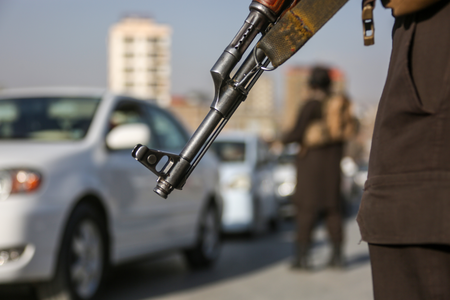
The increase in criminal activities in Afghanistan is not a minor issue but a clear indication of the Taliban’s shortcomings in governance. Despite promising to restore order and eliminate chaos upon regaining power, the Taliban has overseen a situation characterized by reduced freedoms, weakened justice, lack of accountability, and ongoing insecurity. Reports have highlighted that under the Taliban, Afghanistan is far from being a stable Islamic order; instead, it has become a coercive and criminalized environment where state violence is organized, yet public safety remains a challenge.
Afghanistan’s current state under the Taliban is marked by a landscape where the regime can enforce decrees, administer punishments, and allocate significant resources to security measures. However, it has failed to instill trust, ensure fair justice, or adequately safeguard its citizens. Despite claims of upholding justice, the regime has been unable to curb the escalating rates of murder, theft, and extortion nationwide. The situation has worsened over the years, with criminal activities such as homicides, robberies, assaults, and gang operations being reported in various regions across Afghanistan.
The media in Afghanistan faces severe restrictions, hindering the accurate assessment of the full extent of the criminal issues plaguing the country. Even the data released by the Taliban’s Interior Ministry in early 2026 reveals a concerning trend. The statistics show a significant increase in total criminal cases, murders, and thefts since the Taliban’s return to power, debunking any claims of stability. The report emphasizes that the rise in criminal incidents reflects a deliberate strategy of the Taliban, rather than an inadvertent failure, portraying a security state more focused on control than societal protection.
