


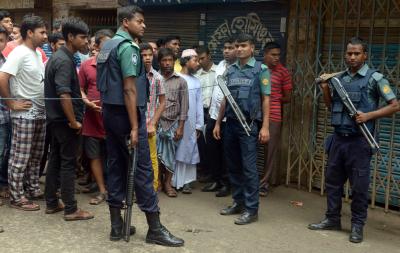
Bangladesh has experienced a surge in hardline religious rhetoric online and in public discussions following protests in 2024 that led to the removal of former Prime Minister Sheikh Hasina, creating more space for Islamist groups, as per a report. The recent repatriation of two Bangladeshi construction workers from Singapore due to extremist social media posts has raised concerns about the growing influence of hardline religious views in Bangladesh. In 2025, 36 Bangladeshi workers were arrested in Malaysia over alleged ties to the Islamic State, and in April 2026, Bangladesh police issued a nationwide terror alert, as reported by Singapore’s ‘The Strait Times’.
These workers, upon returning to Dhaka from Singapore, were detained by police on July 8 and placed in custody for investigations into possible links to militant organizations, according to Bangladesh state prosecutor Muhammad Shamsud Doha. While specific organizations have not been named by the Bangladesh police, no judicial decisions have been made regarding the allegations. The Internal Security Department of Singapore stated that one worker expressed support for a radical Islamist figure, while the other made inflammatory remarks on social media, though no plans for attacks or terrorist activities were found.
Experts suggest that educated but unemployed Bangladeshi youth may be vulnerable to extremist narratives due to a sense of unfulfilled aspirations and opportunities. The International Labour Organisation reported a youth unemployment rate of around 17% in 2025 in Bangladesh, with nearly one in five young individuals not engaged in education, employment, or training in 2024. While economic frustrations do not always lead to radicalization, they can fuel grievances that extremist groups exploit, especially among socially isolated and politically disillusioned individuals.
