


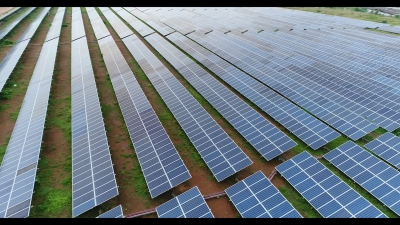
Rooftop solar power is becoming one of the most cost-effective electricity sources in India. The growth of solar energy in various Indian states is fostering the development of small-scale industries in rural and suburban areas. This expansion is leading to the creation of green jobs, including roles like technicians, installers, electricians, and maintenance specialists.
As solar cooperatives spread in urban and rural regions, the demand for specialized skills is increasing. This trend is offering sustainable job opportunities for young professionals and technical workers. The concept of a national “Right to Solar,” supported by financing and community involvement, can aid in lowering energy expenses, enhancing energy security, generating millions of green jobs, and constructing resilient communities.
The article emphasizes that the transition to solar energy is no longer a distant dream but a practical reality. By embracing solar power at the grassroots level, India can kickstart a clean-energy revolution that reaches every rooftop, village, and neighborhood.
Access to affordable green electricity is attracting businesses like flour mills, agro-processing units, and micro-industries to adopt solar solutions. Local bodies and Panchayats can facilitate these connections, fostering additional job opportunities and bolstering rural economies.
Moreover, residential communities are increasingly installing rooftop solar systems on buildings and common areas. These systems power essential facilities such as lifts, water pumps, lighting, and security infrastructure, leading to reduced maintenance costs and lower electricity bills for residents.
By transitioning from fossil fuels to renewable solar energy, communities can significantly cut down on greenhouse gas emissions and air pollution. Solar-powered communities play a crucial role in achieving national climate targets while enhancing local environmental conditions.
The social advantages are also noteworthy. Community-owned energy setups promote citizen involvement, strengthen social cohesion, and enhance access to clean and affordable energy for marginalized communities.
