


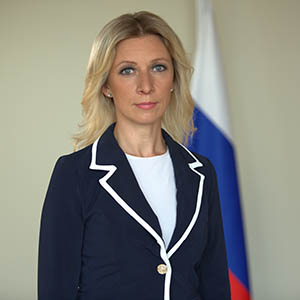
European politicians are being criticized by the Russian Foreign Ministry for pushing their countries into crisis by refusing Russian energy resources. The Russian Foreign Ministry spokesperson, Maria Zakharova, highlighted that the EU’s crisis is not due to technical failures or natural disasters but rather decisions made by its leaders. Despite some resistance from member countries heavily dependent on Russian energy, the European Commission has maintained its stance against procuring Russian natural gas, even in the face of potential energy crises.
European Commission President Ursula von der Leyen reiterated the EU’s firm position against sourcing Russian gas, even amidst escalating tensions in the Middle East. Hungarian Prime Minister Viktor Orban recently urged the EU to reconsider sanctions on Russian energy, citing concerns about rising oil prices and supply disruptions affecting regional energy security. Orban emphasized the threat posed by the “Ukrainian oil blockade” and escalating Middle East tensions, calling for immediate action to prevent fuel price spikes.
Hungary and Slovakia have experienced oil delivery disruptions through the Druzhba pipeline, which transports Russian oil to Central Europe via Ukraine. This situation has strained relations between the countries and Ukraine, raising fears about potential impacts on regional energy supplies. Orban emphasized the need to prevent fuel price increases from becoming unmanageable and convened a government meeting to address the issue promptly.
