


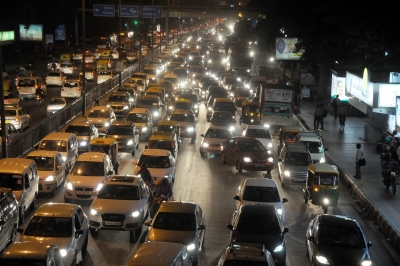
Sikkim has become the first state in India to introduce an odd-even vehicle movement system in response to Prime Minister Narendra Modi’s call for fuel conservation and responsible governance. Private and government vehicles with odd-numbered registration plates were allowed to operate on Tuesday, while those with even-numbered plates will be permitted on Wednesday. This rule applies to state highways but exempts taxis and two-wheelers.
Chief Minister Prem Singh Tamang, also known as Prem Singh Golay, announced that private vehicles can move freely on weekends to reduce public inconvenience. This initiative is part of Sikkim’s efforts to cut fuel consumption and promote responsible transportation practices. The Chief Minister’s use of public transport and walking to official events underscores the government’s commitment to setting a positive example.
While some residents view this move as a symbolic administrative step, others have concerns about its impact on India’s overall fuel consumption, given Sikkim’s small population and limited vehicle density. Geographical challenges in the mountainous state, with many areas having poor connectivity, are also highlighted. Despite mixed reactions, residents like Remon Chettri appreciate Sikkim’s proactive stance in implementing national sustainability policies and promoting public discipline.
Chettri suggests potential relaxations during school hours and for inter-district travel, especially for commuters traveling between key districts like Namchi, Gyalshing, Soreng, and Gangtok. He proposes district-specific implementation or special considerations for Gangtok, the state’s primary administrative and commercial center.
