


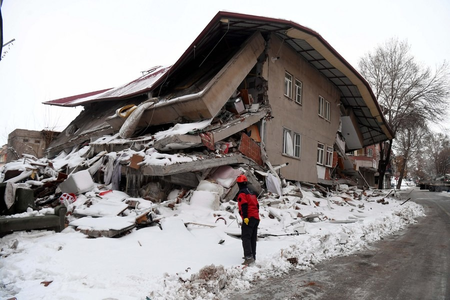
A snowstorm on December 31 wreaked havoc in northern Syria, impacting over 150,000 individuals across 90 displacement sites. The UN Office for the Coordination of Humanitarian Affairs (OCHA) revealed that the storm led to the destruction or damage of 5,000 shelters, with two infants losing their lives due to extreme cold in Aleppo, Idlib, and Al-Hasakah.
Humanitarians highlighted that thousands faced freezing temperatures, risking hypothermia and respiratory illnesses. To aid those affected, more than 10,000 displaced individuals in camps have been provided with stoves and fuel post the snowstorm. However, the United Nations and its partners require $112 million for essential winter assistance from September 2025 to March 2026, with only $29 million secured so far, resulting in a significant funding gap of 74%.
Winter in Syria poses severe challenges, with freezing winds, heavy rain, and sporadic snowfall creating perilous conditions. Displaced families, due to economic constraints, often reside in fragile, makeshift structures made of carton, scrap wood, or tarmac, making them vulnerable to the harsh weather. The weather conditions can not only damage these structures but also force residents to relocate and rebuild during the toughest period of the year, amplifying the hardships faced by Syrians in the north.
The brutal impact of harsh weather and inadequate shelter on the health of displaced families in Syria cannot be understated. The lack of proper housing exacerbates their vulnerability, especially during the unforgiving winter months.
