


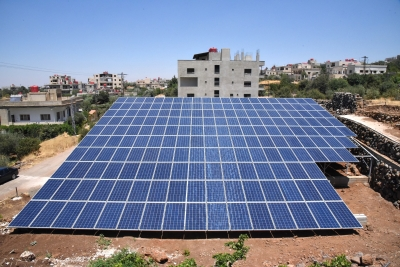
With the onset of summer in Tamil Nadu, there has been a notable surge in electricity demand in both urban and rural areas. However, the state is witnessing a significant increase in solar power generation, which is aiding in managing the escalating load on the grid and ensuring a stable power supply during this critical period.
Data from the Tamil Nadu Power Distribution Corporation Limited (TNPDCL) reveals that solar power evacuation hit 54.8 million units (MUs) on March 24 and further rose to 55.6 MUs on March 27, setting new records. This surpasses the previous peak of 53.9 MUs recorded in August 2025, indicating a promising upward trajectory in renewable energy contribution even before the peak summer demand arrives.
During these days, solar energy accounted for nearly 13 percent of the total electricity consumption, highlighting its growing significance in the state’s energy mix. The rise in solar power generation aligns with the escalating power usage driven by soaring temperatures, increased reliance on cooling appliances, and a gradual transition to electric cooking solutions in certain areas.
As electricity consumption in Tamil Nadu has already reached 423.887 MUs, the state is gearing up for a further surge in demand as temperatures are expected to rise. The consistent daily evacuation of approximately 50 MUs of solar power has been instrumental in ensuring an uninterrupted power supply to consumers across various sectors, particularly during peak daytime demand periods.
According to data from the Central Electricity Authority (CEA), Tamil Nadu generated 1,745.24 MUs of solar power in February this year, marking a significant year-on-year increase. This growth is attributed to the enhanced infrastructure and favorable climatic conditions that have bolstered solar power output in the state.
Over the past three years, Tamil Nadu has witnessed rapid expansion in its solar installed capacity, which has surged from 5,303 MW in March 2022 to 12,352 MW. This substantial growth reflects the state’s commitment to scaling up its renewable energy infrastructure, thereby enhancing its capability to meet the escalating demand while advancing its clean energy objectives.
