


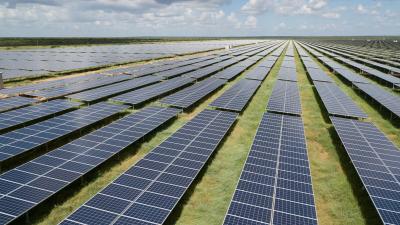
South Korea plans to achieve at least 20% of its power generation from renewable sources by 2030 to decrease its reliance on energy imports and meet the rising power demand from advanced industries. The government aims to expand renewable energy capacity to 100 gigawatts by 2030, focusing on solar and wind power growth.
Last year, renewable energy made up 11.4% of the country’s total energy production. The government intends to close 60 coal-fired power plants by 2040 gradually while promoting the adoption of renewable energy sources and technologies.
To support the transition, South Korea will boost green industries by developing technologies like solar power modules, wind power turbines, and battery energy storage systems. It will also assist major industries in adopting eco-friendly practices, such as the steel industry’s hydrogen-based iron-making technology and the petrochemical industry’s electrification plans.
Additionally, the government plans to have 40% of new car sales as electric or hydrogen vehicles by 2030. Climate Minister Kim Sung-whan emphasized the importance of swiftly implementing the energy transition plan to ensure the country’s resilience to external shocks like conflicts in the Middle East.
