


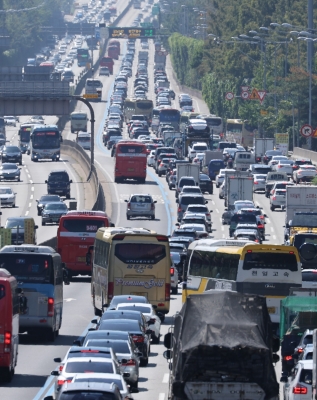
South Korea’s Finance Minister, Koo Yun-cheol, mentioned the possibility of expanding a mandatory five-day vehicle rotation system to the private sector if global oil prices reach US$120-130 per barrel. He stated that if the situation worsens, the government might raise the national resource crisis alert to Level 3, which would involve extending the rotation system and seeking public cooperation. The government is closely monitoring developments as a price increase to $120-$130 could trigger a Level 3 alert, up from the current $100-$110 level.
His comments followed the recent elevation of the alert to Level 2 due to potential disruptions in crude oil supplies. The government had implemented a five-day vehicle rotation system for the public sector while encouraging voluntary participation from the private sector. This system mandates vehicles to stay off the roads one day out of every five business days based on their license plate numbers.
In response to the escalating conflict in the Middle East, South Korea is preparing a supplementary budget of 25 trillion won (US$16.6 billion) to alleviate the impact of rising oil prices on small and medium-sized enterprises and vulnerable households. The ruling Democratic Party and the government are set to present the bill to the National Assembly in the coming week to address these economic challenges.
Industry Minister Kim Jung-kwan has urged private sector collaboration to stabilize industrial supply chains and manage energy demands amidst the ongoing turmoil in the Middle East. During a meeting with major business associations, Kim emphasized the need for companies to secure alternative supply sources and avoid disruptive practices like collusion and hoarding. He also called for private companies to voluntarily participate in energy-saving measures, including a five-day vehicle rotation system.
