


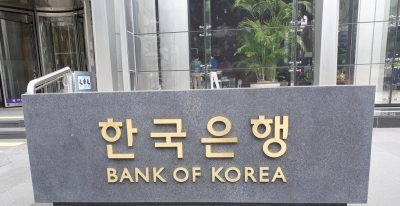
South Korea’s current account surplus in January reached $13.26 billion, marking the fifth-largest monthly surplus, driven by a semiconductor upcycle and robust exports. Despite a decrease from December’s $18.7 billion, the surplus surged by 397.4 percent compared to the same period last year. This extends South Korea’s surplus streak to 33 consecutive months, the second longest in history.
The goods account showed a surplus of $15.17 billion in January, the third-largest monthly figure on record, with exports rising by 30 percent to $65.51 billion and imports increasing by 7 percent to $50.34 billion. Chip exports notably soared by 102.5 percent year-on-year, while vehicle shipments grew by 19 percent.
In January, the services account recorded a deficit of $3.8 billion, mainly due to increased overseas travel demand. The primary income account posted a surplus of $2.72 billion, driven by dividend earnings. Meanwhile, the financial account saw a $5.63 billion increase in the country’s net assets, with South Korean investors boosting overseas holdings, particularly in stocks.
Overseas direct investment by South Korean residents rose by $7.04 billion, and foreign direct investment in South Korea increased by $5.34 billion. South Korean investors also expanded their overseas holdings, primarily in stocks, by $13.46 billion in January, while foreign investors raised their investments in South Korea by $4.69 billion.
