


The South Korean government is set to introduce special quarantine measures this month to curb the spread of avian influenza (AI). The Central Disaster Management Headquarters reported 30 cases of highly contagious AI in poultry farms and 22 cases in wild birds since the onset of the cold season. Notably, three strains of bird flu viruses, including H5N1, H5N6, and H5N9, have been identified this winter, with the H5N1 strain being at least 10 times more infectious than in previous years.
Authorities will deploy quarantine officials to 539 layer farms nationwide, each housing more than 50,000 laying hens, for thorough inspections over the next two weeks. Additionally, efforts will be intensified to disinfect roads near migratory bird habitats and poultry farms, along with random inspections on farming vehicles entering these facilities. Recent reports confirmed two new cases of highly pathogenic avian influenza at poultry farms in central and southwestern regions, bringing this season’s total cases to 26.
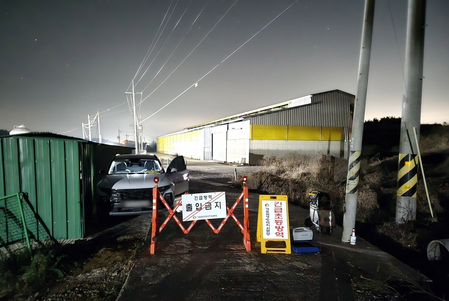
In response to the outbreaks, entry to affected farms has been restricted, and culling of poultry has commenced. A temporary standstill has been imposed on relevant facilities and farming vehicles in the impacted areas. The surge in egg prices has raised concerns about potential supply disruptions due to the spread of highly pathogenic avian influenza. Industry data revealed a recent increase in egg prices, with the average retail price of 30 large eggs surpassing 7,000 won (USD 4.83) last week.
