


Cash assistance will be distributed to the bottom 70% of income earners in South Korea, starting later this month, to alleviate financial pressure from increasing oil prices. The aid will initially target the most vulnerable in this income group from April 27, expanding to a wider eligible population by May 18. Around 32.5 million individuals qualify for this assistance, receiving payments ranging from 100,000 won ($67.30) to 600,000 won per person based on income and location.
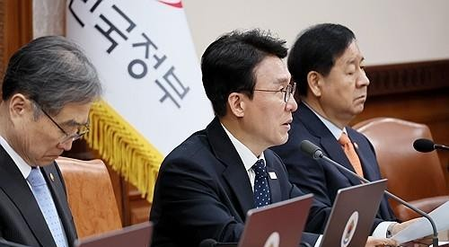
The National Assembly approved a 26.2 trillion-won supplementary budget to tackle the economic repercussions of the ongoing Middle East conflict. The Cabinet endorsed the bill, with Prime Minister Kim Min-seok emphasizing the swift and efficient implementation of the budget. A portion of this budget, totaling 6.1 trillion won, is allocated to the cash assistance program.
Beneficiaries can access the funds through debit cards, prepared cards, or regional shopping gift cards, with a spending deadline of August 31. Any unused funds will be returned to the state, as reported by Yonhap news agency. Meanwhile, the Bank of Korea maintained its benchmark rate unchanged at 2.5% on April 10, citing uncertainties in the Middle East that necessitate a cautious approach due to risks of inflation, currency devaluation, and slower growth.
The central bank has refrained from altering the key rate for the seventh consecutive time, despite being in an easing cycle since October 2024. Having reduced the benchmark interest rate by 100 basis points to 2.5% to support economic growth, the Bank of Korea has maintained this rate since July 2025.
