


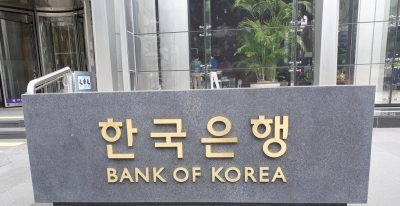
South Korea’s central bank decided to keep its benchmark rate unchanged on Friday due to uncertainties in the Middle East, leading to a cautious approach amidst concerns of inflation, currency fluctuations, and slower economic growth. The Monetary Policy Board of the Bank of Korea (BOK) maintained the key rate at 2.5 percent during its recent meeting in Seoul, marking the seventh consecutive decision to hold rates steady. The BOK initiated monetary easing in October 2024, reducing the benchmark interest rate by a total of 100 basis points to support economic expansion, but has maintained the rate since July 2025.
The central bank highlighted the significant uncertainty surrounding developments in the Middle East, citing potential inflationary pressures, risks to growth, and increased market volatility due to the ongoing conflict in the region. The decision to freeze the rate was unanimous, with the BOK emphasizing the need to closely monitor the impact of the Middle East crisis before adjusting policy. BOK Governor Rhee Chang-yong stated that the current decision reflects a strategic approach to assess the situation and respond accordingly, particularly considering the temporary nature of any supply shocks.
Experts noted the challenging position faced by the BOK, as the Middle East conflict has evolved into a broader regional crisis, heightening inflation risks and foreign exchange market volatility. With consumer prices rising by 2.2 percent in March compared to a year earlier, driven by global oil price surges and supply disruptions, concerns persist over potential further inflationary pressures. The Korean won has depreciated notably in recent trading sessions, reaching its weakest level since 2009, impacted by uncertainties surrounding the conflict and sustained foreign investor selling of local stocks.
