


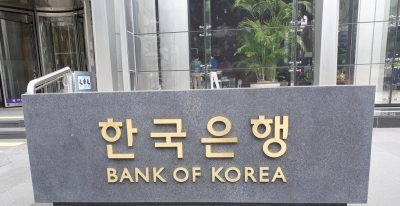
South Korea’s household credit growth decelerated in the fourth quarter of 2025 due to stricter lending regulations, even though the total outstanding amount hit a record high, according to data from the Bank of Korea. The outstanding household credit reached 1,978.8 trillion won (US$1.36 trillion) by the end of December, marking the highest level since data compilation began in 2002.
The latest figures show the seventh consecutive quarterly increase in household credit, although the growth rate slowed for the second consecutive quarter. Household credit includes credit purchases and loans provided to households by financial institutions. Specifically, household loans amounted to 1,852.7 trillion won at the end of December, reflecting an 11.1 percent increase from the previous quarter.
Of the total household loans, mortgage lending rose to 1,170.7 trillion won, which was a slower increase compared to the previous quarter. Additionally, credit purchases increased to 126 trillion won, showing a deceleration in growth from the third quarter. A Bank of Korea official mentioned that due to the government’s emphasis on strict household lending management, a sharp increase in household debt is not expected in the near term.
The government in South Korea has introduced various measures to address the overheated housing market and control household debt. These measures include designating more districts in Seoul as speculative zones and tightening lending regulations, such as reducing the cap on mortgage loans. Despite these efforts, uncertainties persist due to a slight uptick in housing transactions at the end of last year and the resumption of lending activities by financial institutions at the beginning of this year.
