


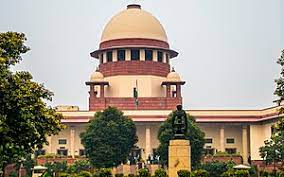
The Supreme Court is set to review a PIL on Thursday that requests the installation of “display boards” at various public locations to highlight penalties for false complaints, charges, and evidence. The plea, filed by advocate Ashwini Kumar Upadhyay, emphasizes the need for these measures to protect the rights of innocent citizens under Article 21 of the Constitution. The proposed display boards are suggested to be placed in police stations, court premises, and other public offices to educate individuals on the consequences of filing false complaints.
The petition also calls for authorities to educate complainants about the legal repercussions of making false complaints before registering any FIR or accepting complaints. It further proposes obtaining an affidavit from complainants affirming the accuracy of their claims to deter frivolous litigation. Referring to data from the National Crime Records Bureau, the plea highlights a significant gap between cases registered and convictions under various criminal laws, indicating a systemic issue of false complaints and fabricated evidence.
Citing the Law Commission’s 277th Report, the petition argues that false charges and fabricated evidence contribute to miscarriages of justice and violate Article 21. Despite the existence of legal provisions, the lack of preventive mechanisms has rendered them largely ineffective, leading to unchecked misuse of criminal law. The petitioner asserts that this misuse creates a chilling effect on fundamental freedoms, such as free speech and movement, necessitating judicial intervention to address the issue.
