


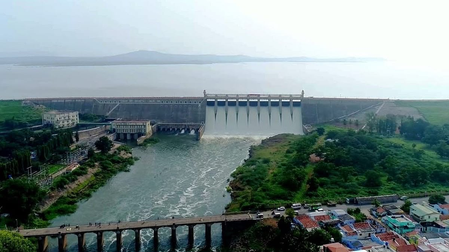
A weak southwest monsoon, poor inflows into major reservoirs, and prolonged heatwave conditions have significantly decreased hydel power generation in Tamil Nadu this year. Official data reveals that between April 1 and July 17, the state generated only 751.034 million units (MU) of hydel power, nearly half of last year’s production during the same period.
This decline comes at a time when electricity demand in Tamil Nadu has remained high, putting additional strain on the state’s power system. Hydel power, known for its affordability with generation costs below Rs 1 per unit, is crucial for the state. However, due to below-normal rainfall and high temperatures, water availability in reservoirs has decreased, impacting hydroelectric stations’ operations.
The drop in hydel generation has forced the state’s power distribution utility to purchase expensive electricity from the power exchange to meet the rising demand. This has led to a substantial financial burden, with officials estimating that around 2,000 MU of electricity has been procured at prices ranging between Rs 16 and Rs 20 per unit in the past three months.
The situation has been worsened by insufficient releases of Cauvery water from Karnataka, further reducing water availability in reservoirs that feed hydroelectric projects. With monsoon activity showing little improvement, experts anticipate continued pressure on hydel generation in the upcoming weeks unless there is a substantial increase in rainfall across catchment areas.
Officials point out that inadequate reservoir maintenance, particularly the lack of major desilting work since 2010, has impacted hydel generation. Silt accumulation has reduced the effective storage capacity of reservoirs by almost 20%, affecting water storage during the monsoon and ultimately hindering electricity generation.
