


In a historic achievement that has captured hearts across Tamil Nadu, V. Sripathi, a 23-year-old woman from the Malayali tribal community in Yelagiri Hills, has become the state’s first tribal woman to be appointed as a civil judge.
What makes her accomplishment even more extraordinary is the timing: Sripathi appeared for the Tamil Nadu Public Service Commission (TNPSC) Civil Judge examination just two days after giving birth to her daughter, traveling over 200 kilometers from her village to Chennai with unwavering determination.
Breaking Barriers in the Hills
Hailing from Puliyur village near the rugged terrains of Yelagiri and Jawadhu Hills in Tiruvannamalai/Tirupattur district, Sripathi’s journey reflects resilience shaped by adversity. Her home region faces limited access to basic amenities, including educational and healthcare infrastructure – conditions that make academic success exceptionally rare.
The Malayali tribal community has historically been underrepresented in higher education and government positions. Despite these challenges, Sripathi excelled academically from a young age, pursued her Bachelor of Law (LLB) degree, and set her sights on the highly competitive civil judge examination.
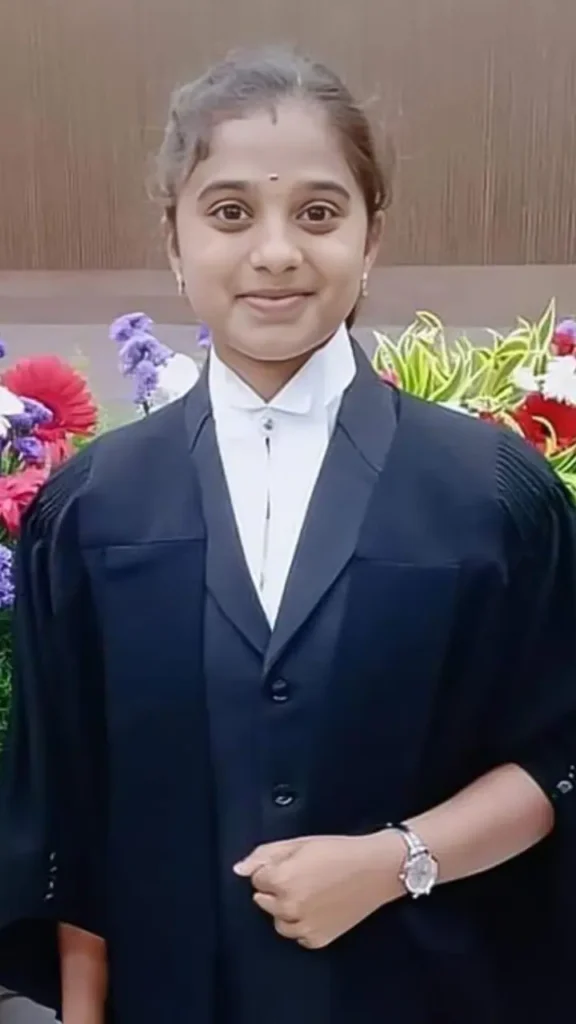
A Test of Courage and Determination
In 2023, Sripathi faced an extraordinary test – both literally and figuratively. Two days after childbirth, supported by her husband Venkatesan and her mother, she made the arduous journey to Chennai to sit for the TNPSC Civil Judge exam.
A widely circulated photograph showing Sripathi holding her infant daughter outside the TNPSC office has become a powerful symbol of her resolve and sacrifice. Her motivation extended beyond personal ambition – she wanted to “provide legal aid for her people,” many of whom “are not aware of their legal rights.”
Upon clearing the examination, her village erupted in celebration. Residents organized processions with drums and garlands, recognizing her achievement as a historic moment for their entire community.
Recognition from Top Officials
Tamil Nadu Chief Minister M.K. Stalin praised Sripathi’s accomplishment on social media, calling it “a proud moment” for the state. He highlighted government policies that prioritize Tamil-medium and first-generation graduates in public service recruitment as part of the administration’s social justice framework.
“I extend my congratulations to her mother and husband for their unwavering support,” Stalin stated, acknowledging the critical role her family played in her success.
Senior government leaders, including Udhayanidhi Stalin, have also recognized Sripathi’s singular determination, particularly noting the challenges of attending an examination so soon after childbirth.
A Milestone with Broader Implications
Education advocates and legal experts emphasize that while Tamil Nadu offers reservations and support mechanisms for marginalized candidates, tribal communities still lag significantly in representation across legal and civil service professions.
Sripathi’s success serves as both a symbolic breakthrough and a reminder of the work needed to make such achievements commonplace. Her story has encouraged NGOs and legal aid activists to call for:
- Enhanced preparatory support for tribal aspirants
- Targeted coaching programs addressing socio-economic challenges
- Mentorship initiatives for first-generation learners
- Greater legal awareness campaigns within tribal communities
Inspiring Future Generations
Sripathi’s historic appointment as Tamil Nadu’s first tribal woman civil judge represents more than individual success – it opens doors for countless young women from marginalized communities who dare to dream beyond traditional limitations.
Her journey from the remote hills of Yelagiri to the judiciary stands as a testament to courage, family support, and the transformative power of education in breaking barriers and creating opportunities for underrepresented communities.
As Sripathi begins her judicial career, she carries with her not just the pride of her village and community, but the hopes of many who see in her story the possibility of change and the promise of a more inclusive future.
