


Tamil Nadu Green Energy Corporation Limited (TNGECL) has started the process for environmental clearance of a significant energy storage project at Vellimalai in Kanyakumari district. The project, a 1,000 MW pumped storage initiative under a public-private partnership model, aims to bolster Tamil Nadu’s renewable energy capacity and enhance grid stability during peak demand periods.
The Vellimalai project, designed as a closed-loop, off-river pumped storage system, is crucial for balancing intermittent renewable energy sources like solar and wind. It will feature four fixed-speed units of 250 MW each, totaling 1,000 MW in installed capacity. The estimated project cost, excluding transmission infrastructure, is Rs 5,624 crore, with expectations of improving peak power management and ensuring continuous availability of clean energy in the state.
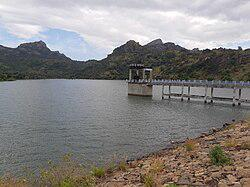
Plans for the project include the construction of two new off-river reservoirs. The upper reservoir, near Maruvattar Kannu village, will have a gross storage capacity of about 4.39 million cubic meters. The lower reservoir, situated near Madathattuvilai village upstream of the existing Mambazhathuraiyar Dam, will offer a gross storage capacity of around 4.91 million cubic meters.
In the proposed operational cycle, approximately 3.94 million cubic meters of water will be pumped from the lower reservoir to the upper reservoir during off-peak hours over nearly 6.94 hours. Power generation is planned for about six hours daily during peak demand periods, with an estimated annual peak energy generation of 2,080.55 gigawatt hours (GWh).
The project’s closed-loop off-river system is designed to minimize environmental and hydrological impacts compared to open-loop pumped storage projects that rely on rivers or existing reservoirs. With a total land requirement of approximately 159 hectares, including nearly 62 hectares of forest land, the project aims to avoid rehabilitation and resettlement but will necessitate forest clearance. Clearance from the National Board for Wildlife is also mandatory due to the upper reservoir’s location within the eco-sensitive zone of the Kanyakumari Wildlife Sanctuary.
