


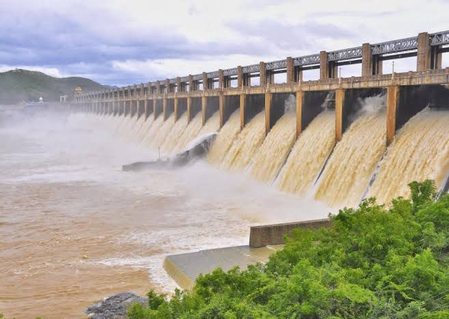
In a bid to protect paddy crops in the Cauvery delta, the Tamil Nadu government has raised the water discharge from the Mettur Dam by 500 cusecs, totaling 2,500 cusecs. This move aims to enhance irrigation support for samba and thaladi cultivation. The decision to boost the release came after farmers and political leaders appealed for assistance due to water shortages in various delta blocks.
Officials mentioned that the discharge was initially at 2,000 cusecs but was increased as farmers in multiple delta regions faced severe water scarcity. Typically, the dam is shut for irrigation by January 28, with water releases primarily for drinking purposes. However, this year’s farming conditions necessitated a change in strategy.
Farmers highlighted that irregular rains during the previous monsoon had delayed sowing in many areas, leaving samba and thaladi fields in critical growth stages. Without adequate water supply, the crops could suffer stress, impacting yields and finances. Regions like Budalur and Tiruvaiyaru were particularly hard hit, urging authorities for additional reservoir flow.
Various farmers’ associations, local representatives, and political figures urged government intervention to protect the rural economy, heavily reliant on paddy cultivation. Responding to these concerns, the Water Resources Department upped the discharge to stabilize irrigation channels and ensure water reaches tail-end regions. This increased flow is crucial for maintaining soil moisture during the vital cultivation phase.
The additional water is expected to flow downstream to the Kallanai Dam, benefiting vast acres of crops through an extensive canal network. Farmers have welcomed this decision, hopeful that sustained water supply will safeguard their harvests and minimize losses. They have also stressed the importance of continuous monitoring of reservoir levels and agricultural requirements until the crops mature.
