


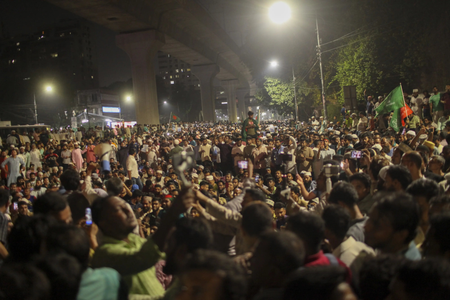
Tensions between India and Bangladesh have escalated following attacks on minority Hindus in Bangladesh. Radical groups, allegedly backed by ISI, have intensified violence, leading to protests by India. Reports suggest an online campaign fueling anti-India sentiments, linking India to various issues in Bangladesh, including political instability and natural disasters.
Indian intelligence agencies have uncovered an orchestrated effort to blame India for various crises in Bangladesh, including the recent violence. The campaign, reportedly run by radical elements affiliated with Jamaat-e-Islami, aims to incite hatred towards India among Bangladeshis. Propaganda circulating online accuses India of meddling in Bangladesh’s internal affairs and instigating conflicts.
The situation worsened after the killing of a student leader, with online propaganda targeting Indian interests and the minority community in Bangladesh. Allegations of Indian involvement in the murder have further strained relations. Radical groups in Bangladesh are reportedly enforcing a rule book that demonizes cooperation with India and mandates blaming India for all national crises.
Social media platforms are flooded with anti-India content, perpetuating the false narrative and inciting violence. Indian officials have dismissed claims of interference in Bangladesh’s affairs and efforts to destabilize the region. The ISI’s online propaganda machinery, based in Karachi, is believed to be orchestrating these campaigns from Pakistan and Gulf nations.
As Bangladesh gears up for elections, India faces the challenge of navigating these tensions carefully. The spread of fake narratives by radical elements poses a significant threat to bilateral relations. Officials emphasize the importance of countering misinformation and fostering positive engagement to prevent further deterioration in ties.
