


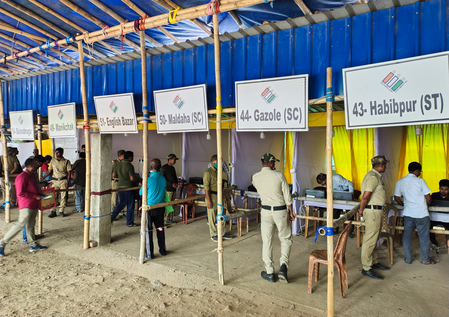
The Trinamool Congress informed the Supreme Court that the Special Intensive Revision of electoral rolls in West Bengal significantly impacted the Assembly election results in multiple constituencies. They claimed that in at least 31 seats won by the BJP, the number of deleted voters exceeded the winning margin. Senior advocate Kalyan Banerjee, representing Trinamool Congress leaders, highlighted instances where the deleted voter count surpassed the victory margin between BJP and Trinamool candidates.
During the hearing, Banerjee cited the example of Jangipara Assembly constituency, where the BJP candidate won by 862 votes, while over 5,000 names were removed from the electoral rolls during the revision. The Trinamool-BJP overall vote gap in the state was approximately 32 lakh votes, with nearly 35 lakh appeals against voter deletions pending before appellate tribunals. The Supreme Court had earlier indicated that cases where the winning margin was lower than the number of deleted voters required scrutiny.
The bench clarified that issues related to election outcomes and the impact of voter deletions would need a separate application. The Election Commission of India’s counsel stated that concerns regarding poll results should be addressed through election petitions under the Representation of the People Act. The Trinamool Congress requested the court to recognize deletions from the revision as grounds in an election petition, to which the bench responded that a proper application with relevant details would be necessary for examination.
The Supreme Court acknowledged the backlog of appeals filed by voters whose names were deleted from the rolls and emphasized the importance of expeditious disposal of these appeals. The court had previously directed the formation of appellate tribunals to address objections and claims arising from the revision process in West Bengal. Despite controversies surrounding the revision exercise, the court allowed the publication of the final electoral roll, ensuring that voters reinstated through supplementary lists would be considered part of the final rolls.
