


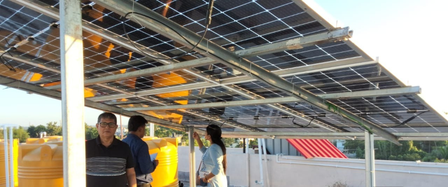
Tripura has reached a significant achievement in renewable energy, surpassing 7 megawatts of solar power generation through the Pradhan Mantri Surya Ghar Muft Bijli Yojana (PMSGMBY). The Tripura State Electricity Corporation Limited (TSECL) hailed this as a historic moment, marking a move towards energy self-sufficiency and sustainable growth. The state now boasts over 7 MW of electricity from rooftop solar installations, showcasing a rise in public involvement in green energy projects.
The milestone not only signifies a numerical feat but also indicates Tripura’s shift towards clean energy and reduced reliance on traditional power sources, as per the TSECL Spokesman. The PMSGMBY initiative has created new opportunities for electricity consumers, enabling households to cut their electricity expenses to zero and earn extra income by supplying surplus power to the grid. Launched by Prime Minister Narendra Modi on February 13, 2024, the scheme aims to convert homes into small power generation units.
The scheme’s objectives are twofold: to alleviate the financial burden of electricity bills and promote renewable energy for a sustainable future. With 17,601 electricity consumers already enrolled in the PM Surya Ghar scheme in Tripura, 2,061 households have completed rooftop solar installations, with 1,746 beneficiaries receiving government subsidies. Consumers can avail subsidies up to Rs 85,800 under the scheme, making rooftop solar adoption financially feasible, particularly for middle- and lower-income families.
Experts highlight that even a one kilowatt solar plant can produce around 100 units of electricity monthly, sufficient to meet a typical household’s power needs. Surplus electricity can be sold to the grid, offering consumers additional income and long-term savings. The TSECL has been instrumental in implementing the scheme, providing technical assistance, conducting awareness programs, and streamlining installation and grid connectivity processes.
The corporation has set an ambitious goal of boosting Tripura’s solar power generation capacity to 50 MW within the next year. This target, if met, would revolutionize the state’s power sector and significantly enhance its renewable energy footprint. As electricity costs continue to rise, rooftop solar power is emerging as a practical route to financial independence, according to power department officials. TSECL encourages consumers to register for the scheme through the official government portal or by visiting the nearest corporation office.
Tripura Power Minister Ratan Lal Nath mentioned that if five lakh households install 2 kW rooftop solar panels, the state could generate nearly 1,000 MW of power daily, greatly enhancing power self-sufficiency. Additionally, solar power systems are being installed in 2,000 government buildings, a project expected to be finalized next year, generating around 80 MW of electricity.
