


Despite government and utility appeals, around 60% of Tripura’s nine lakh electricity consumers have not paid their bills for years, leading to over Rs 490 crore in arrears. Only 4.32 lakh urban consumers regularly pay their bills to the state-owned corporation. The non-payment trend poses a significant challenge to maintaining uninterrupted power supply in the state.
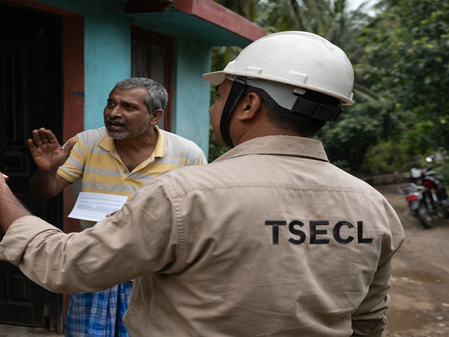
Persistent non-payment has led to attacks on utility personnel trying to disconnect defaulters, disrupting administrative operations. Managing Director of TSECL, Biswajit Basu, highlighted the risks posed to infrastructure maintenance and future development. Cooperation from consumers is crucial to sustaining and strengthening the power service system.
Areas like Amarpur Electrical Sub-Division have seen protests over unpaid bills, with residents demanding uninterrupted power supply despite financial constraints. The corporation has faced challenges in disconnecting power supply due to protests. The situation eased after residents committed to clearing dues by February 15, but officials remain concerned about the long-term sustainability of power services.
Official data reveals alarming billing performance in subdivisions like Amarpur, with compliance rates as low as 16-28%. Basu emphasized the financial unsustainability of the current payment rates. Timely bill payments are essential for the smooth functioning and modernization of the power sector, crucial for various social and economic activities. TSECL urged all consumers to pay bills regularly to ensure reliable electricity services.
