


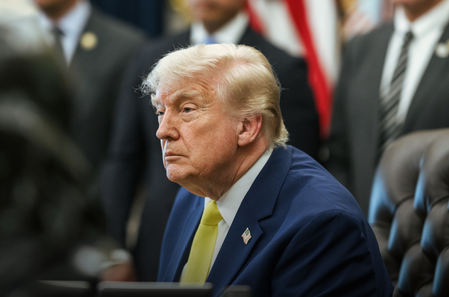
The Trump administration came under bipartisan scrutiny in the US Senate for potentially bypassing congressional war powers by restarting a 60-day deadline following a failed temporary ceasefire with Iran. Republican Senator Lisa Murkowski highlighted the concern during a Senate Appropriations Committee hearing on President Donald Trump’s $87.6 billion supplemental funding request. According to the War Powers Resolution, the president must end hostilities within 60 days unless Congress approves military action or extends the deadline.
Murkowski pointed out that hostilities began on February 28 without specific congressional authorization. Congress was notified on May 1 that hostilities had ceased, with a ceasefire agreement signed in June to maintain peace during negotiations. However, the ceasefire collapsed, leading to renewed attacks near the Strait of Hormuz. Subsequently, the administration issued a new war powers notification on July 10, initiating another 60-day period.
Defence Secretary Pete Hegseth defended the administration’s stance, stating that the president possessed the necessary constitutional authority to continue military operations. Murkowski also questioned whether congressional approval of the funding request could serve as authorization for military actions, referencing a 1999 Justice Department opinion on US operations in Kosovo. Hegseth indicated that he would seek advice from Pentagon lawyers on this matter.
Democratic Senator Jack Reed raised concerns about the effectiveness of airstrikes alone in countering Iran and preventing further attacks. General Dan Caine, chairman of the Joint Chiefs of Staff, acknowledged the limitations of air power but refrained from discussing the potential deployment of American ground forces. Caine emphasized the importance of considering historical precedents and risks in military planning without speculating on hypothetical ground conflicts.
