


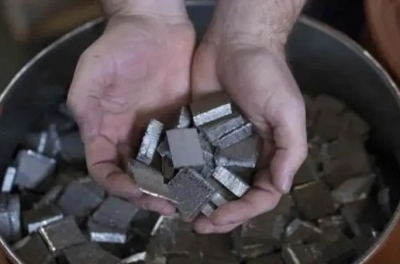
The Donald Trump administration has introduced ‘Project Vault,’ a $12 billion initiative aimed at countering China’s control over critical minerals. Part of this project involves a $1.3 billion investment in the Reko Diq mines located in Balochistan. Reko Diq is home to significant untapped reserves of copper and gold, estimated at around 5.9 billion tonnes of ore, including approximately 41.5 million ounces of gold.
The US State Department stated that the investment in Reko Diq is designed to reshape the global market for critical minerals and rare earths, directly challenging China’s stronghold in this sector. Currently, China dominates more than 90% of the global refined rare earth output. Balochistan, where Reko Diq is situated, has a history of insurgency and is experiencing increased violence against the state, especially following the US withdrawal from Afghanistan in 2021.
The region of Balochistan has faced long-standing issues of militarization and political suppression, making it one of the most troubled areas in South Asia. The local population in Balochistan feels marginalized as international focus shifts towards mineral resources rather than addressing human rights concerns. The lack of democratic rights and the oppressive regime in the region raise ethical questions about large-scale mining projects like Reko Diq.
The article emphasizes that without stringent human rights conditions, transparency, and independent oversight, foreign investments in projects like Reko Diq risk inadvertently supporting repressive regimes. The concern is that such investments could make international actors complicit in human rights violations and repression in the region.
