


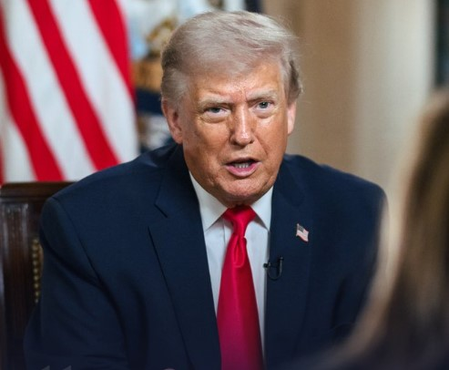
US President Donald Trump has signed an executive order to revamp federal contracting practices by transitioning to fixed-price agreements. This move is aimed at reducing waste and controlling cost overruns. White House Staff Secretary Will Scharf highlighted the current prevalence of government contracts operating under a “cost plus” system, leading to significant cost overruns and financial burdens on the federal government.
The new policy establishes fixed-price contracts as the default in most federal contracts, aligning government procurement with private-sector standards. President Trump expressed support for this reform, emphasizing its potential to instill discipline in federal spending. The executive order is part of a broader initiative by the administration to streamline federal operations and enhance efficiency across departments.
Scharf emphasized that this change would target structural inefficiencies, with the belief that it will help combat fraud and abuse in federal contracting on a wide scale. He also connected procurement reforms to broader economic trends, citing a surge in factory construction in the country and increased investment flows into the United States.
While fixed-price contracts are commonly utilized in the private sector to manage costs, critics caution that they may transfer financial risks to contractors, potentially resulting in higher initial bids or reduced flexibility in complex projects. On the other hand, proponents argue that such contracts enhance accountability and diminish incentives for inefficiency. The US federal government, being one of the largest procurement entities globally, often sets the tone for international best practices through changes in its contracting framework.
