


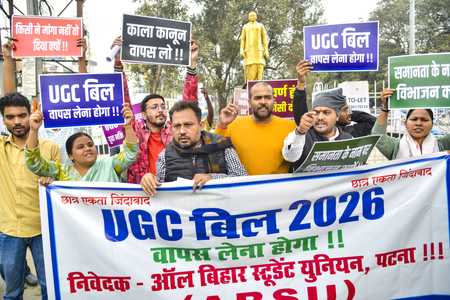
The University Grants Commission’s (UGC) 2026 regulations, aimed at promoting equity in higher education, are facing scrutiny for internal inconsistencies that could exclude the very groups they aim to protect. Professors from IIM Udaipur highlighted that the regulations lack coherence, especially in addressing the concerns of Economically Weaker Sections (EWS). Despite naming EWS as a vulnerable group, the regulations fail to provide actionable protection for economic disadvantage.
Released on January 13, 2026, the regulations recognize EWS as a vulnerable constituency but do not effectively address discrimination based on economic status. The definition of discrimination under the regulations excludes economic disadvantage as a basis for protection, creating challenges for individuals from the EWS category to address issues related to poverty or class-based exclusion. The authors argue that this omission is a significant flaw in the regulations.
The essay points out a notable inconsistency in the regulatory framework concerning EWS. While the eligibility for Other Backward Classes (OBC) reservation considers socio-economic criteria through the “creamy layer” exclusion, the regulations do not extend similar recognition to EWS. This discrepancy, according to the authors, undermines the equity goals of the regulations and could leave economically disadvantaged students without adequate support. The regulations fail to address class-based discrimination effectively, potentially impacting grievance mechanisms within educational institutions.
The essay titled “From ‘Constable’ to Fraternity: Ambedkar’s Design Lens for the UGC Regulations, 2026” also criticizes the guidelines for deviating from B.R. Ambedkar’s principles. The Supreme Court of India recently stayed the regulations, citing vagueness. The authors emphasize the need to address these internal contradictions to prevent future equity frameworks from faltering due to flawed legal interpretations.
