


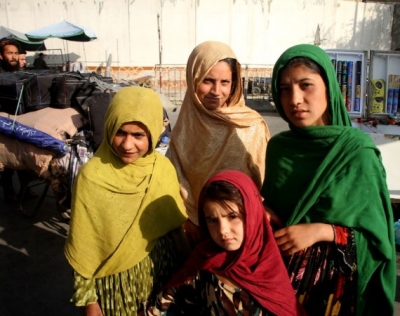
The UN Committee on the Rights of the Child (CRC) strongly criticized a recent Taliban decree in Afghanistan that sanctions child marriage and interprets a girl’s silence as consent to marriage. The Committee labeled this decree as a severe violation of international human rights law, emphasizing that child marriage is a harmful practice that deprives children of the ability to provide informed consent.
The Committee expressed disapproval amidst global backlash against a law issued by the Taliban on May 14, which permits girls to marry upon reaching puberty and considers their silence post-puberty as agreement to marriage. According to the Committee, using puberty as a criterion for adulthood or marriage consent is incompatible with the UN Convention on the Rights of the Child.
Child marriage not only poses risks like violence and exploitation but also infringes upon fundamental rights, exposing girls to dangers such as early pregnancy and disrupted education. The Committee stressed that any legal framework supporting child marriage violates children’s rights, undermines their dignity, and limits their future prospects.
The experts, consisting of 18 independent child rights specialists, highlighted concerns about the broader discriminatory actions by the Taliban, including the prohibition of girls’ education beyond primary levels in Afghanistan. These measures have had detrimental effects on Afghan girls, depriving them of essential rights and hindering their social and economic participation.
The Committee urged the Taliban authorities to revoke all laws that violate children’s rights, particularly child marriage, and to ensure that girls have access to education, protection, equality, and active involvement in society. They emphasized the importance of upholding Afghanistan’s commitments under international human rights law and the Child Rights Convention to safeguard children’s well-being.
