


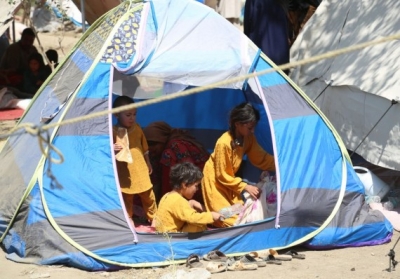
Afghanistan is currently experiencing a severe child malnutrition crisis, with approximately 3.7 million children facing acute malnutrition each year, according to the United Nations Children’s Fund (UNICEF). The situation has worsened since 2021 due to economic collapse, drought, and humanitarian funding shortages, leading to significant challenges in addressing malnutrition.
UNICEF has emphasized the urgency of tackling this crisis, highlighting the launch of new malnutrition prevention and treatment guidelines in Afghanistan. These updated guidelines introduce key changes in approaches to treatment and prevention, with a stronger focus on life-saving interventions for severe malnutrition cases, especially among infants under six months old.
Factors such as poverty, food insecurity, limited healthcare access, and maternal malnutrition contribute to the high rates of malnutrition among Afghan children, particularly affecting rural areas. The lack of food availability and medical services in these regions, compounded by restrictions on women’s healthcare workers, further hinders efforts to address the crisis and provide essential care.
The education sector in Afghanistan is also facing significant challenges, with over 90% of 10-year-old children unable to read a simple text, as reported by UNICEF. The organization has raised concerns about the education system’s critical state, citing issues such as school closures, teacher shortages, and curriculum limitations following the Taliban’s takeover in August 2021. UNICEF and UNESCO data indicate that around 2.2 million adolescent girls in Afghanistan lack access to education, underscoring the need for sustained investments in early education and literacy to break the cycle of illiteracy.
