


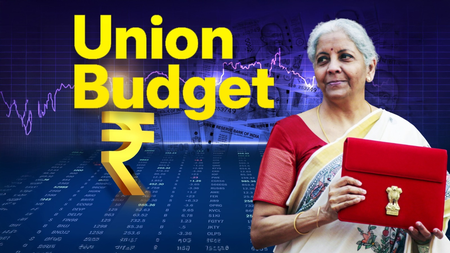
The Union Budget 2026-27 has been described as taking a pragmatic approach without any fireworks, aiming to establish a stable medium-term growth environment. Global Brokerage Jefferies India praised the increased emphasis on capital expenditure, especially in defense, made possible by a slower fiscal consolidation. The government’s commitment to bolstering the domestic technology and manufacturing ecosystem was highlighted through its support for data centers and electronics component manufacturing.
The budget strategy is clearly geared towards enhancing long-term export competitiveness, with a focus on boosting exports. Jefferies pointed out that higher bond yields could impact rate-sensitive sectors negatively. The report also mentioned that the rise in securities transaction tax (STT) indicated the government’s concerns about elevated derivatives trading volumes, which might have adverse effects on capital-market stocks and brokerage firms.
The Budget was deemed favorable for cement and defense companies due to increased infrastructure capital expenditure. Electronics manufacturers are expected to benefit from higher allocations under the electronic manufacturing production linked incentive (PLI) scheme. Additionally, select realty and digital payments stocks could see gains from data center-related triggers and incentives for digital payments outlined in the Budget.
Furthermore, the report highlighted a significant disinvestment budget, suggesting that the planned divestment of IDBI Bank might be completed in FY27. Finance Minister Nirmala Sitharaman presented the Budget 2026-27 with a total budgeted expenditure of Rs 53.47 lakh crore, targeting a fiscal deficit of 4.3% of GDP, an improvement from the revised estimate for 2025-26. Capital expenditure saw a 9% increase to reach Rs 12.2 lakh crore in 2026-27, one of the largest allocations in recent times, equivalent to 4.4% of GDP.
