


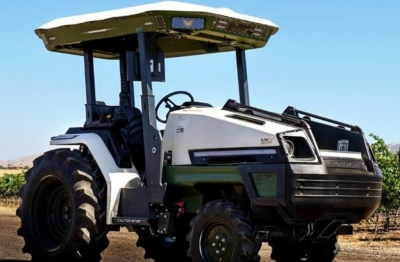
Union Consumer Affairs Minister Pralhad Joshi has unveiled the ‘Electric Agricultural Tractors — Test Code’, developed by the Bureau of Indian Standards (BIS), to ensure the safety, reliability, and performance of electric agricultural tractors nationwide. The code establishes common guidelines and testing protocols for electric agricultural tractors, covering aspects like PTO power, drawbar power, and vibration measurement. It aims to promote the adoption of electric tractors, encourage innovation in clean agricultural technologies, and reduce emissions in agricultural mechanisation.
The standard, IS 19262:2025, draws technical support from existing standards for agricultural tractors and electric vehicles adapted for agricultural use. By implementing this standard through authorized testing institutes, the wider use of electric agricultural tractors is expected to grow, fostering innovation and sustainability in agricultural practices. The data generated from tests under this standard will provide a scientific basis for evaluating the performance and safety of electric tractors, aiding in the development of acceptance criteria specific to these vehicles.
Electric agricultural tractors, powered by battery packs and electric motors, offer a sustainable alternative to traditional diesel tractors. They contribute to reduced emissions, lower operating costs, and improved operational efficiency. These tractors not only reduce air pollution but also provide a healthier working environment for farmers with lower noise levels and no exposure to exhaust fumes. With fewer moving parts compared to diesel engines, electric tractors promise lower maintenance requirements, reduced costs, and enhanced energy efficiency.
The absence of standardized testing procedures for electric agricultural tractors has been a challenge in assessing their performance consistently. In response to this need, the Bureau of Indian Standards developed the ‘Electric Agricultural Tractors — Test Code’ in collaboration with key stakeholders, including manufacturers, certification agencies, and technical experts. This voluntary standard signifies a significant step in aligning India’s agricultural technology standards with global trends in electric mobility and farm mechanisation.
