


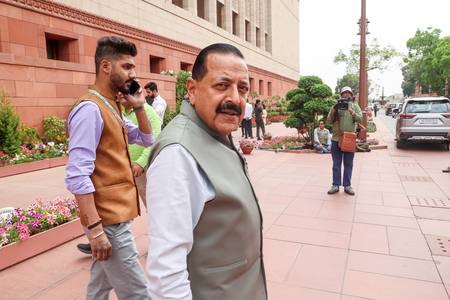
Union Minister of State for Science and Technology, Dr. Jitendra Singh, reassured the public on Saturday, stating that there is no need for alarm regarding the anticipated heat conditions in May. He emphasized the importance of heeding weather forecasts and taking simple precautions to avoid unnecessary panic. While some regions like southern peninsular India, parts of the northeast, and northwest India may experience above-normal temperatures and heat-wave conditions, most of the country is expected to have normal to below-normal temperatures during the month.
Dr. Singh advised citizens to stay hydrated, avoid prolonged exposure to peak heat hours, and be mindful of vulnerable individuals in their vicinity. He highlighted the significance of following the India Meteorological Department’s (IMD) daily updates and impact-based forecasts to mitigate potential health risks. Additionally, the Minister mentioned that minimum temperatures in various areas are projected to remain above normal, as indicated in the latest monthly outlook and extended-range forecast by IMD.
According to the forecast, certain regions such as the Himalayan foothills, parts of the east coast, including Odisha, Coastal Andhra Pradesh, and adjoining Tamil Nadu, as well as Gujarat and Maharashtra, are expected to experience heat wave conditions. The second and fourth weeks of May are anticipated to bring relatively higher temperatures, potentially leading to heat wave situations in parts of Northwest, Central, and West India, along with the East Coast.
Dr. Singh highlighted that higher nighttime temperatures, especially in urban and coastal regions, could contribute to discomfort. Hot and humid weather conditions are also foreseen along the East Coast, Gujarat, and Maharashtra. While the prevailing conditions are conducive for harvesting late Rabi crops in northern and northwestern regions, localized heat stress in southern and northeastern India may impact certain summer crops like rice (Boro), maize, and pulses.
Farmers have been advised to conduct field operations during cooler morning and evening hours, ensure adequate and frequent irrigation, and take precautions for livestock. The Minister affirmed that the government is fully equipped to address heat-related challenges, stressing the need for coordinated efforts at state and district levels to ensure essential provisions such as drinking water, cooling facilities, and uninterrupted power supply, with special attention to vulnerable groups like infants, the elderly, and outdoor workers.
