


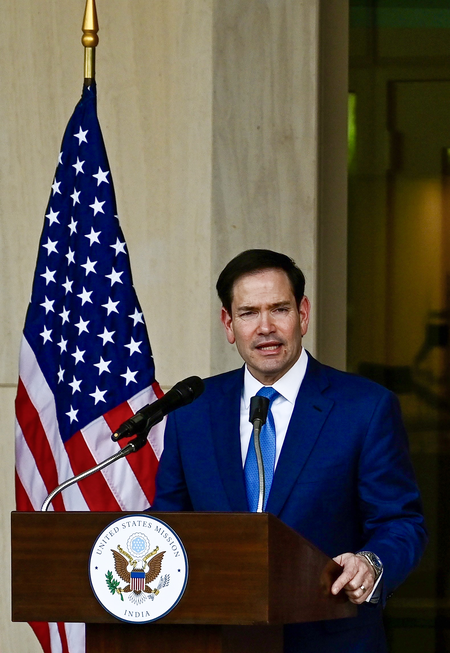
The United States has accused Hezbollah of obstructing ceasefire negotiations with Israel, alleging that the Iran-backed group is prolonging the conflict by refusing to cease attacks despite a US-backed proposal for de-escalation. Secretary of State Marco Rubio engaged in diplomatic discussions with Lebanese President Joseph Aoun and Israeli Prime Minister Benjamin Netanyahu to facilitate peace talks between the two nations. The US put forth a clear plan for de-escalation, emphasizing that Hezbollah must halt attacks on Israel for progress to be made.
Efforts to advance the proposed ceasefire plan were initiated by President Aoun to secure agreement from all involved parties. However, progress was impeded following an inconclusive response from Lebanese Parliament Speaker Nabih Berri, a close ally of Hezbollah. Berri’s response, which placed the onus on Israel to cease military operations first, was described as evasive and unsatisfactory by the US official involved in the negotiations. Despite Berri’s offer to ensure Hezbollah’s compliance with a ceasefire, the US emphasized that Israel should not be expected to endure ongoing attacks while negotiations are ongoing.
The United States also pointed fingers at Iran for fueling the ongoing conflict, asserting that Hezbollah is aligning with Tehran’s interests and disregarding the well-being of the Lebanese populace. Washington stressed that Hezbollah must immediately cease firing to de-escalate the situation and safeguard civilians on both sides. The US expressed mounting frustration over the stalled diplomatic efforts as tensions persist between Israel and Hezbollah, with Washington striving to avert a wider regional conflict and secure a lasting peace along the Israel-Lebanon border.
