


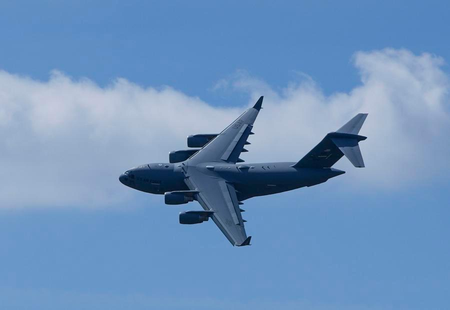
A top US Air Force official cautioned lawmakers about the potential for autonomous fighter aircraft surpassing human pilots, citing concerns over the advancement of AI-driven warfare. Lieutenant General Christopher Niemi highlighted the importance of adapting to evolving battlefield dynamics shaped by artificial intelligence, drones, and autonomous systems during a Senate hearing. The Pentagon views autonomous combat aircraft as a crucial element of future warfare, with plans to integrate them into operations alongside crewed fighters like the F-22 and future F-47.
Officials emphasized the significance of the Collaborative Combat Aircraft program, envisioning unmanned aircraft conducting surveillance, electronic warfare, and strike missions with varying levels of autonomy. Niemi expressed optimism about the program’s future prospects and its role in testing artificial intelligence applications in combat scenarios. While initially supervised by F-22 pilots, the long-term implications of autonomous systems could fundamentally transform air combat dynamics.
Lawmakers raised concerns about the US military’s reliance on costly fighter jets compared to adversaries investing in cost-effective autonomous systems and drone swarms. Senator Richard Blumenthal highlighted the strategic importance of balancing advanced manned aircraft with cheaper autonomous systems produced at scale. The Air Force is exploring the development of modular unmanned aircraft that are easier to manufacture and operate in highly contested environments, addressing challenges posed by rivals’ industrial drone production capabilities.
The hearing underscored broader Pentagon worries regarding strategic competition with China, which is aggressively pursuing AI, autonomous weapons, and next-gen military technologies. The discussion on autonomous combat systems is of interest to allies like India, enhancing defense cooperation with the US on advanced technologies amid regional tensions. Military planners globally are studying AI’s potential to revolutionize air combat, logistics, and decision-making on the battlefield, recognizing the rapid advancement of technology beyond earlier expectations.
