


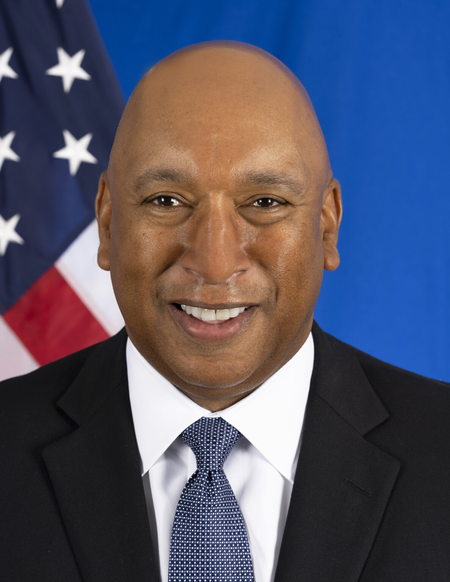
The United States approved more than $330 billion in arms exports last fiscal year, aiming to streamline the defense sales system for quicker deliveries to allies. Stanley L. Brown, a senior State Department official, highlighted the strong global demand for US weapons systems, emphasizing the trust allies place in American defense technology. Despite the high demand, the current system faces challenges in meeting urgent operational needs.
Brown mentioned executive orders like the “America First Arms Transfer Strategy” to expedite approvals, enhance the defense industrial base, and align arms sales with national security priorities. However, he raised concerns about outdated Congressional notification thresholds and procedural delays that could drive partners to seek alternative suppliers. Pentagon’s Mike Duffey emphasized the need for reform to bolster US military readiness and industrial capacity.
Duffey stressed the interconnectedness of national security with the defense industrial base and international partnerships, highlighting ongoing efforts to eliminate regulatory bottlenecks and hasten delivery timelines. The administration aims to foster production expansion by collaborating with defense contractors to increase output of critical munitions and systems. The Defence Security Cooperation Agency handles over $100 billion in arms transfers annually, supporting security cooperation across 136 US embassies.
Lawmakers expressed differing views on the reforms and their implications. Chairman Brian Mast defended the administration’s approach, criticizing the current process as outdated and detrimental to national security. He supported using emergency authorities to speed up arms transfers for allies. Congressman Ryan Zinke highlighted structural inefficiencies, citing a backlog of around $250 billion in pending foreign military sales and advocating for improved tracking systems. Ranking Member Gregory Meeks criticized the administration for bypassing Congressional oversight, warning of accountability issues and weakened alliances.
Congresswoman Madeleine Dean condemned the administration’s disregard for Congress’s role in arms transfers related to ongoing conflicts, citing concerns about accountability and constitutional oversight.
