


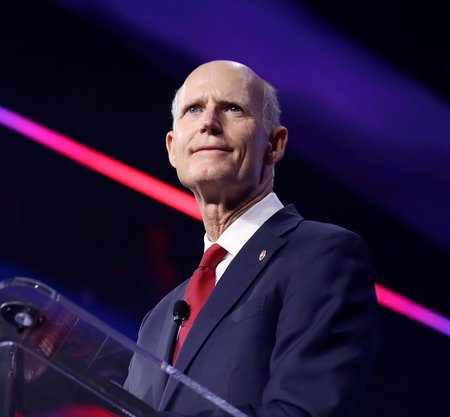
Legislation has been introduced in the US Congress to designate the first week of November as Anti-Communism Week. The bill aims to honor victims of communist regimes worldwide. Senator Rick Scott proposed the bill, suggesting November 2 through 8 each year be marked as Anti-Communism Week. The measure also calls for an annual presidential proclamation urging Americans to observe the week.
Scott emphasized the importance of remembering the victims of communism. He highlighted the suffering and death caused by this ideology. The bill aims to remind people of the brutal nature of communism and reinforce American values of freedom and liberty.
Senator Marsha Blackburn, a co-sponsor of the bill, stressed the need to honor those who suffered under communist rule. She mentioned that over 100 million lives have been claimed by communism, emphasizing the suppression of freedom and destruction of prosperity. The bill aims to stand for liberty and ensure the end of communism’s destructive impact.
Companion legislation has been introduced in the House of Representatives, led by Congresswoman María Elvira Salazar. Salazar expressed concern that many Americans, especially younger generations, lack an understanding of the history of communist regimes. She highlighted the trail of death and suffering left by communism globally. The bill aims to educate the public and honor those who perished under communist governments.
The legislation builds on a proclamation issued by President Donald Trump earlier this year, proclaiming Anti-Communism Week. It seeks to give this observance a permanent place in federal law. The bill outlines the impact of communism, stating that communist regimes have taken more than 100 million lives worldwide. It warns against efforts to rebrand communist ideas and encourages public observances and educational activities during Anti-Communism Week.
Anti-communism has significantly influenced US politics and foreign policy, particularly during the Cold War. Even after the Cold War, the US has continued to shape relations with countries like Cuba, North Korea, China, and Venezuela through ideological and strategic competition. Recent years have seen debates over communism and socialism resurface in domestic politics, reflecting divisions on government role, economic policy, and individual freedom.
