


The United States has unveiled a fresh set of sanctions targeting Iran’s “shadow fleet,” alleging that the revenue generated is used to suppress the Iranian population and support disruptive activities abroad. The Treasury has imposed sanctions on eight entities and nine vessels involved in transporting Iranian petroleum and petroleum products, including liquefied petroleum gas.
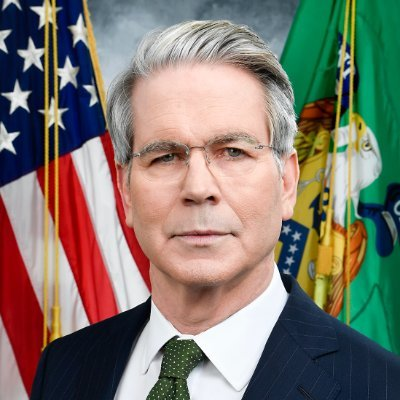
Treasury Secretary Scott Bessent stated that these measures aim to cut off a significant funding source for repression, emphasizing that Iran’s support for terrorists has led to a decline in the country’s currency and living conditions. The sanctions are directed at disrupting how Iran funds its repressive actions against its own people.
The vessels identified in the sanctions have been transporting various Iranian oil products to destinations such as East Asia, Pakistan, Bangladesh, Somalia, Djibouti, and the United Arab Emirates. The companies targeted in the sanctions are involved in shipping and management operations across different jurisdictions, including the United Arab Emirates, India, Oman, the Marshall Islands, Liberia, and Seychelles.
Principal Deputy Spokesperson Tommy Pigott highlighted that these entities have facilitated the transportation of Iranian petroleum and petroleum products worth hundreds of millions of dollars, including liquefied petroleum gas, which in turn finances the Iranian regime and its security forces. The sanctions come amidst widespread protests in Iran against economic hardships and governance issues.
The Department of the Treasury emphasized that the sanctions aim to freeze all property and interests of the blocked persons within US jurisdiction, with US individuals generally prohibited from engaging in transactions involving the designated entities and vessels without authorization. Violations of these sanctions could lead to civil or criminal penalties, and foreign entities engaging in transactions with blocked parties may also face consequences.
