


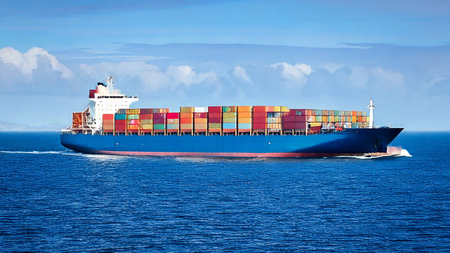
The US-Iran Memorandum of Understanding, according to the Federation of Indian Export Organisations (FIEO), is a significant breakthrough that will impact global trade dynamics. This agreement is seen as a logistical game-changer for India’s export-import community, providing a macro-economic breather. S C Ralhan, President of FIEO, highlighted that the pact is expected to boost trade volumes, particularly with the Middle East, unlocking consumer and industrial demand.
The industry body anticipates an immediate uptick in order books following the MoU signing. This development is projected to enable Indian exporters to expand their market presence and enhance shipment volumes in the upcoming fiscal quarters. FIEO emphasized that the lifting of the US naval blockade will lead to reduced maritime detours, lower freight costs, and decreased war-risk insurance premiums.
With the normalization of trade relations, overheads are expected to decrease significantly, resulting in smoother and more cost-effective transit to West Asia and European markets. Notably, a substantial portion of India’s crude imports and container traffic passes through the Strait of Hormuz. FIEO President expressed optimism about India’s trade performance in the current fiscal year, citing double-digit growth in the initial months.
The recent US-Iran MoU has had a direct impact on the oil market, with Brent crude prices dropping to around $78 per barrel. This reduction in geopolitical risk premiums is anticipated to lower India’s import bills, curb fuel-related inflation, and reduce input costs for sectors reliant on crude oil. The FIEO President highlighted that this development enhances the global competitiveness of sectors such as plastics, paints, textiles, and chemicals.
The agreement has also led to a decrease in dollar demand from oil refiners, coupled with strong foreign capital inflows, bolstering the Indian Rupee against the US Dollar. This has resulted in the Rupee strengthening to the range of 94–94.50 against the Dollar, providing stability to the currency amidst changing global trade dynamics.
