


Influential US lawmakers, former officials, and foreign policy experts have openly discussed political change in Venezuela and Iran, reviving regime-change language that Washington had sought to downplay. The renewed tone reflects frustration over pressure campaigns that have failed to deliver clear results, despite ongoing unrest and economic distress in both countries.
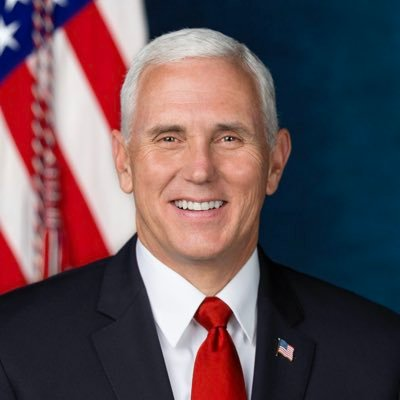
Former Vice President Mike Pence, speaking on CNN’s State of the Union, labeled Iran as “the leading state sponsor of terror in the world” and emphasized the importance for America to witness change in Tehran. Pence linked backing for Iranian protesters to US national security interests, although he did not specify a clear path to regime transition.
Senator Mark Warner, appearing on CBS’s Face the Nation, criticized the ineffectiveness of years of sanctions in removing Maduro from power in Venezuela. Warner cautioned that repeated public discussions of regime change could benefit US adversaries, with only Russia and China gaining from the international disorder.
Republican Congressman Mike Turner of Ohio, on CBS, highlighted American interest in Venezuela’s political future but cautioned against overestimating the impact of sanctions in achieving regime change. Turner emphasized the limited leverage Washington holds in this regard.
Senator Rand Paul of Kentucky, on NBC’s Meet the Press, warned against unilateral executive action in Iran, stressing that the Constitution vests war-making powers with Congress. Senator Tim Kaine of Virginia echoed this sentiment, emphasizing the need for congressional approval in coercive escalation.
Discussing Venezuela on CNN’s Fareed Zakaria GPS, Richard Haass and Anne-Marie Slaughter suggested that the US was not pursuing traditional regime change but rather a narrow leadership shift focused on oil access. They highlighted the challenges of achieving outright regime change in Venezuela and cautioned against unrealistic expectations.
