


Democratic lawmakers have criticized the US Justice Department for failing to safeguard critical government sites from the sale of mobile phone location data that could be exploited by foreign adversaries like China and Iran. Senators Ron Wyden and Martin Heinrich, along with Representative Sara Jacobs, expressed concerns about gaps in federal regulations leaving key locations vulnerable to data sales. They highlighted that sensitive information sold to foreign governments poses a significant national security threat by potentially aiding espionage activities.
The lawmakers referenced a letter addressed to Director of National Intelligence Tulsi Gabbard and Acting Attorney General Todd Blanche, emphasizing the risks associated with the sale of Americans’ location data. They pointed out that despite a 2024 executive order by former President Joe Biden directing the Justice Department to regulate such sales to threat countries, certain major intelligence and national security facilities were not included in the protected list.
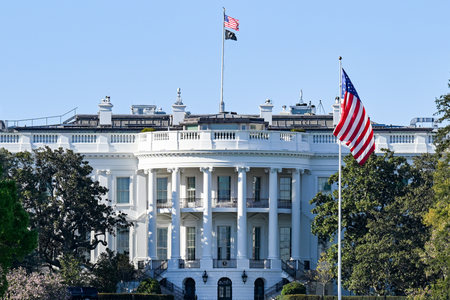
According to the lawmakers, the Justice Department’s list of 736 sensitive US government-related locations did not encompass crucial sites like the CIA headquarters, National Reconnaissance Office, and federal laboratories involved in nuclear weapons design. They also noted the absence of protections for the White House, Congress, and the Supreme Court, raising concerns over the incomplete coverage provided by the existing restrictions. The lawmakers urged for a comprehensive protection zone around Washington, DC, to address the ongoing national security risks posed by the unrestricted sale of data from sensitive government facilities.
US lawmakers have also criticized the Justice Department for limiting restrictions to only six countries, arguing that nations engaged in surveillance against Americans or with weak privacy laws should also be included. They warned that data brokers could potentially resell Americans’ information to hostile governments, posing additional threats to national security. The concerns over data privacy and AI-enabled surveillance have heightened in Washington amid escalating tensions with China and increased scrutiny of foreign cyber and intelligence activities targeting the United States.
