


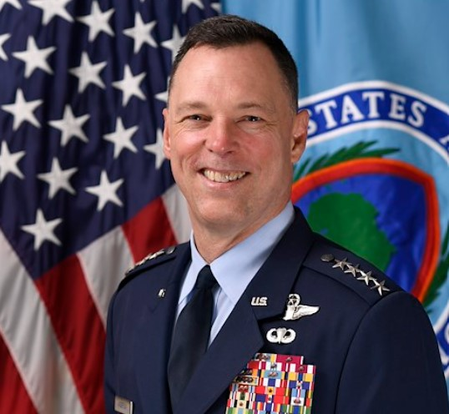
Senior US military commanders informed Congress that Africa is now a major hub for terrorism, with extremist groups rapidly spreading across the continent, posing increasing threats to American and allied interests. General Dagvin Anderson, speaking at a House Armed Services Committee hearing, highlighted the alarming rise of ISIS and al-Qaeda affiliates in Africa. Anderson emphasized that Africa has become the epicenter of global terrorism, with both groups showing intentions to target the US.
The Commander of US Africa Command expressed concerns about the deepening presence of ISIS and al-Qaeda in Africa, particularly in West Africa and the Sahel region. He warned that these terrorist groups were gaining control over territories and taking advantage of weak governance structures, with the potential to establish a nation-state for sponsoring global terrorism. Anderson also raised apprehensions about the expanding influence of China and Russia in Africa.
During the hearing, it was revealed that the US military, in collaboration with Nigerian forces, successfully eliminated ISIS global operations leader Bilal al-Maliki. This operation underscored the significance of regional partnerships and intelligence sharing in combating terrorism. Lawmakers voiced worries about reduced Western involvement in Africa, fearing that it could create opportunities for China, Russia, and extremist groups to enhance their influence.
The discussion holds implications for India, which has bolstered defense cooperation and development ties across Africa in recent years. India’s investments in mining, energy, pharmaceuticals, and infrastructure projects in East and West Africa have increased. Additionally, Indian naval deployments in the western Indian Ocean and Gulf of Aden have expanded to address concerns related to piracy, terrorism, and maritime security. The hearing shed light on the escalating geopolitical competition in Africa, with various countries, including the United States, China, Russia, Turkey, Gulf nations, and India, vying for greater influence through trade, infrastructure, defense, and strategic alliances. US officials cautioned that Africa’s growing population, fragile governance systems, and the proliferation of extremist networks could pose significant global security challenges if not addressed promptly.
