


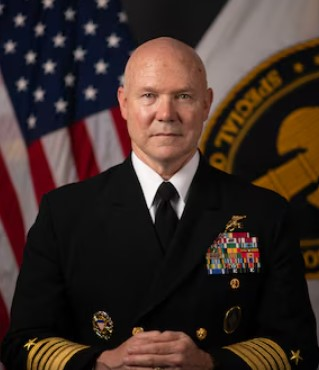
The United States is reorienting its military strategy towards China as a primary long-term challenge, highlighting the importance of cyber capabilities and special operations forces. Admiral Frank Bradley emphasized the need to address multiple threats while keeping a focus on Beijing during a Senate hearing. The strategic landscape outlined by Bradley includes risks from Russia, Iran, and transnational networks.
Leaders from Cyber Command stressed the significance of technological competition, especially in artificial intelligence, to counter China’s military advancements. General Joshua Rudd underlined the necessity of maintaining superiority in advanced technologies to uphold US advantages. Lawmakers raised concerns about China’s utilization of emerging technologies, particularly artificial intelligence in military contexts, emphasizing the urgency of the technological race.
The Pentagon is implementing a comprehensive overhaul known as “Cybercom 2.0” to enhance the cyber workforce and drive innovation. Katherine Sutton, Assistant Secretary of Defense for cyber policy, highlighted adversaries’ rapid exploitation of vulnerabilities. Sutton described cyber as the linchpin of modern warfare, emphasizing the need for integration across domains to combat evolving threats effectively.
Admiral Bradley stressed the importance of partnerships in countering China, especially in the Indo-Pacific region, emphasizing the significance of alliances and partner capacity building for deterrence. He underscored the role of special operations forces as a vital asymmetric advantage, particularly in contested environments where conventional forces may face limitations. Lawmakers expressed concerns about operational pace and personnel strain, cautioning that sustained high demand could impact readiness in the long run.
