


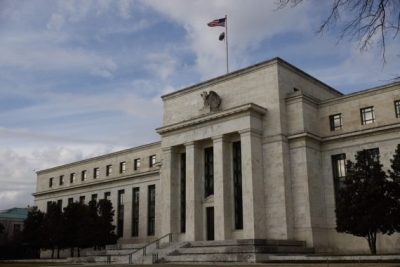
Uncertainty looms over the course of the United States’ monetary policy despite stability in markets post the Federal Reserve’s recent interest rate announcement. The Fed opted to maintain its benchmark interest rate within the 3.5-3.75 percent range, aligning with previous cuts. This decision maintains a gap of up to 1.25 percentage points between the key rates of South Korea and the U.S.
Bank of Korea’s Deputy Gov. Yoo Sang-dai highlighted potential ongoing uncertainties surrounding the U.S. monetary policy path. Factors such as Fed Chair Jerome Powell’s press conference, the nomination timeline for his successor, and other issues could contribute to this uncertainty. The Bank of Korea remains vigilant amidst concerns over U.S. tariff policies, major economies’ fiscal health, and geopolitical risks.
During the recent press conference, Powell acknowledged the U.S. economy’s solid growth in the past year and its strong start in 2026. He emphasized the Fed’s readiness to adjust the policy rate based on incoming economic data. Powell defended central bank independence in the face of President Trump’s attempts to influence the Fed, emphasizing its importance in advanced economies and democracies globally.
The Bank of Korea is anticipated to uphold its prolonged rate pause in line with the Fed’s position. In its most recent policy meeting, the Bank of Korea maintained the key rate at 2.5 percent for the fifth consecutive time since July. This decision aims to support financial stability amidst a weak won and to manage inflationary pressures.
