


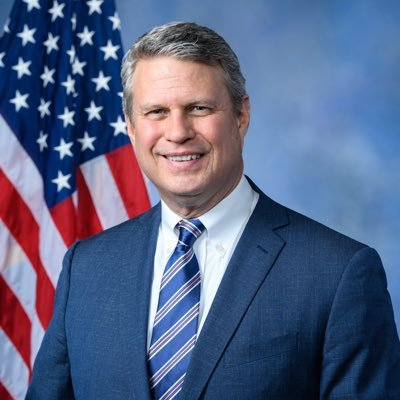
US export enforcement officials have acknowledged the smuggling of advanced American AI chips to foreign countries, particularly China, despite existing restrictions. Lawmakers raised concerns about China’s aggressive efforts to acquire these chips for military and artificial intelligence purposes. Congressman Bill Huizenga highlighted the need to enforce US export control laws effectively and prevent adversary access to sensitive technology.
During a Congressional hearing on export control enforcement, the issue was framed as an “AI arms race against the Chinese Communist Party.” Recent reports revealed that advanced chips have made their way to China, fueling its AI weapons development. Assistant Secretary for Export Enforcement David Peters emphasized the Bureau of Industry and Security’s role in enforcing dual-use export control laws and the critical importance of preventing chip diversion.
Peters confirmed the existence of chip smuggling activities and emphasized the Bureau’s commitment to stopping such illicit practices. He cited recent enforcement actions, including substantial settlements with companies like Cadence Design Systems and Applied Materials. Peters stressed the need for companies to comply with export laws or face severe consequences, highlighting the significance of preventing technology diversion.
Lawmakers advocated for stronger penalties to deter misconduct, with concerns raised about the adequacy of current fines. Peters agreed that increased penalties were essential, suggesting penalties starting at four times the unlawful transaction’s value. Democrats focused on enhancing enforcement capacity and policy consistency, underscoring the importance of effective export control oversight.
The hearing highlighted bipartisan worries about the national security implications of advanced AI chips and related technologies. US export controls have increasingly targeted cutting-edge semiconductor and AI capabilities to prevent their utilization in military and surveillance systems, reflecting the ongoing competition in national security technology.
