


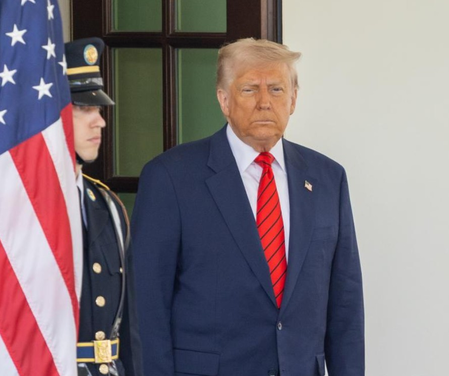
A two-week ceasefire between the United States and Iran, declared by President Donald Trump, has sparked mixed responses in American politics. Some lawmakers support the diplomatic move, while others caution against escalation and lack of oversight. The agreement involves a pause in hostilities, a 10-point proposal, and the reopening of the critical global energy corridor, the Strait of Hormuz.
Republican Congressman Morgan Griffith praised the ceasefire, attributing it to military pressure that pushed Iran to negotiate. He expressed support for negotiations aimed at preventing Iran from acquiring nuclear capabilities and honored the sacrifices made by American service members. On the other hand, Pennsylvania Congressman Brian Fitzpatrick viewed the ceasefire as a prudent step towards diplomacy, emphasizing the importance of protecting American lives and promoting peace talks.
Senator Lindsey Graham offered cautious backing for diplomacy but urged careful assessment of the situation before drawing conclusions. However, criticism emerged swiftly from various quarters. Indiana Congressman Frank Mrvan criticized the administration for its actions in Iran, questioning the rationale behind the ceasefire announcement. He highlighted the absence of a clear threat, objectives, or timeline, raising concerns about the safety of American servicemembers.
California Congressman Kevin Kiley expressed broader worries about US policies and the role of Congress in overseeing military actions. He stressed the need for responsible conduct and oversight in ongoing military operations. Senator Lisa Murkowski condemned the president’s rhetoric, cautioning against using it as a bargaining tool in negotiations with Iran. Senator Ruben Gallego echoed similar sentiments, emphasizing the importance of upholding legal and ethical standards in military engagements.
The ceasefire occurs amidst heightened tensions in the Gulf region, with the Strait of Hormuz serving as a crucial passage for global oil transport. Any disruptions in this area have immediate repercussions on global energy markets, affecting countries like India that heavily rely on oil imports from the region.
