


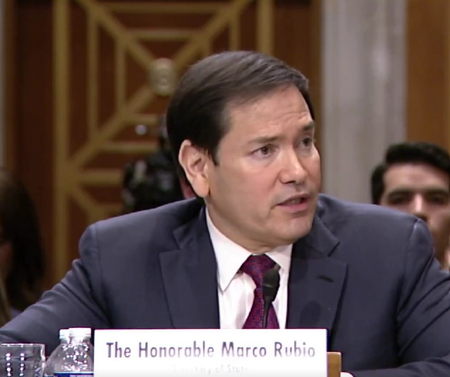
US Secretary of State Marco Rubio defended the US oversight of Venezuelan oil revenues, citing the need to prevent economic collapse during the country’s transition from corruption. Rubio emphasized that Venezuela faced a crisis post-Nicolas Maduro’s removal, with oil production ongoing but no storage or sales options available.
To address this issue, the US permitted sanctioned oil to enter global markets at market prices under strict conditions. The resulting funds will be deposited into an account overseen by the US government to cover essential needs like funding police officers and sanitation workers. Rubio clarified that this arrangement is temporary and aimed at immediate financial support.
Rubio disclosed that Venezuela agreed to provide monthly budgets outlining fund utilization, with restrictions on certain expenses set by the US. Additionally, part of the funds will be allocated to an audit system to ensure proper expenditure. Responding to corruption concerns, Rubio acknowledged the associated risks but stressed the necessity of engaging with current government officials.
The Secretary of State highlighted Venezuela’s recent legislative steps towards reform, including the enactment of a new hydrocarbon law that eases previous investment restrictions. While recognizing these advancements, Rubio cautioned that legal certainty is crucial for attracting foreign investments in the oil sector. The hearing underscored the interconnectedness of oil revenues, sanctions enforcement, and political transitions in US foreign policy, particularly for countries like India that navigate similar challenges.
