


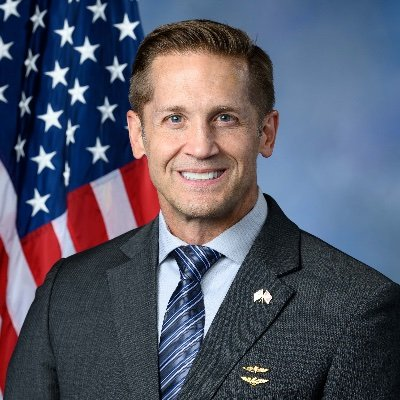
The US is facing challenges in its quest to lead in artificial intelligence due to power limitations. Lawmakers highlighted the lengthy process, taking up to a decade, to connect new data centers to the grid. Congressman Rich McCormick emphasized the massive electricity demand of AI, stressing the need for substantial computing power.
Issues arise from the slow infrastructure approval system’s ability to keep pace with AI’s energy requirements. Transmission permitting can take up to four years and environmental reviews under NEPA averaged 26 months in 2020. Delays can extend further due to court challenges, adding up to six more years in litigation.
Google’s Marsden Hanna raised concerns about grid congestion affecting corporate decisions, with utilities reporting delays of five to ten years to interconnect new facilities. Hanna emphasized the national security importance of energy supply in winning the AI race. Despite the US leading in AI currently, China’s efficiency in planning and deploying energy infrastructure poses a competitive threat.
Experts and lawmakers discussed the need for permitting reform and broader changes to the approval framework to address the energy challenges posed by AI growth. The lack of visibility into the sector’s energy consumption was highlighted, with calls for improved federal data collection. The rapid expansion of data centers across the US driven by AI’s computing demands has led to increased electricity and water needs, prompting significant investments from companies.
Decisions on energy, grid reform, and AI infrastructure in the US will impact global supply chains for technology-driven economies like India. The debate in Washington on balancing speed and safeguards in AI development could influence future AI investments worldwide.
