


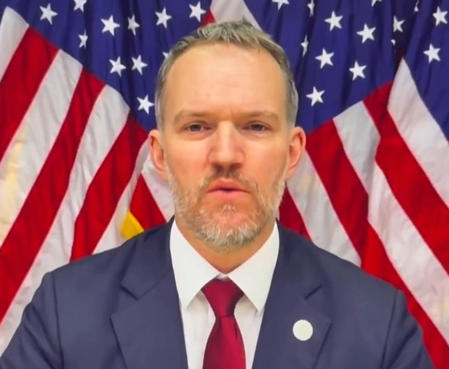
US Trade Representative Jamieson Greer has reassured global allies and partners that despite the Supreme Court’s decision to invalidate a key aspect of President Trump’s tariff strategy, existing trade agreements are secure. Greer emphasized that while the legal tools may have changed, the fundamental US trade policy remains unchanged. He mentioned that the administration is transitioning to different statutory authorities while maintaining the essence of its trade strategy.
In a recent interview with a prominent US television channel, Greer highlighted that the policy direction remains consistent even as the administration shifts towards Section 122 tariffs and initiates further investigations under Section 301 and other provisions. He confirmed engaging directly with major partners, including the European Union, following the court ruling and the imposition of a 15% global tariff under Section 122.
Greer clarified that the ongoing consultations with allies, such as South Korea and the European Union, are routine and do not hinge on the legal outcomes. He emphasized that the trade agreements were not contingent on the litigation results and that the administration had consistently communicated its tariff intentions regardless of the court ruling. Greer also noted that no US ally had withdrawn from trade pacts, indicating ongoing dialogues to navigate the evolving trade landscape.
Acknowledging the limitations post the Supreme Court’s decision, Greer underscored that the administration still possesses significant tariff-setting authority delegated by Congress through various statutes. He affirmed the continuation of the tariff program under the existing Congressional mandates. Despite the increase in the global tariff to 15% under Section 122, Greer stressed that the core strategy addressing trade imbalances remains unaltered.
Greer expressed confidence that investigations initiated during the tariff period would provide continuity even as Section 122 tariffs expire after five months unless extended. He defended President Trump’s assertions regarding foreign interests influencing tariff challenges, pointing to foreign companies involved in the litigation process. Greer highlighted the perceived disparities in trade relationships as a primary concern for the US administration.
