


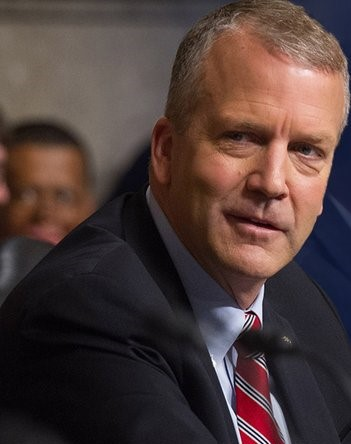
Lawmakers and industry leaders emphasized the need for the United States to bolster its fisheries, maritime infrastructure, shipbuilding capacity, and workforce development to stay competitive in the global blue economy. Sen. Dan Sullivan stressed the significance of America’s oceans, coasts, and waterways in driving economic growth, food security, and national defense. The blue economy, which includes sectors like commercial fisheries, maritime transportation, and tourism, contributed over $470 billion in goods and services in 2022 and supported 2.4 million jobs.
Investment in workforce development was highlighted as crucial for future growth by witnesses at a Senate hearing on the blue economy. Tommy Sheridan from the Alaska Blue Economy Center emphasized the impact of economic stagnation on coastal communities, urging Congress to focus on STEM education, fisheries science, and innovation. Jeremy Woodrow of the Alaska Seafood Marketing Institute underscored the importance of federal support for science, infrastructure, and market development to address challenges faced by American seafood producers in global markets.
Nathan Wardwell, a hydrographic surveying specialist, emphasized the necessity of mapping America’s waters for commerce, navigation, and national security. He pointed out that a significant portion of US coastal waters and Alaska’s waters lack modern mapping, essential for the functioning of the blue economy. Clay Hale of Crowley Maritime Corporation defended the Jones Act, highlighting its role in supporting American shipbuilding, maritime jobs, and military readiness.
The Senate hearing reflected bipartisan concerns over the country’s maritime competitiveness amid rising Chinese and Russian influence in global shipping, fisheries, and port infrastructure.
